
.svg)
.svg)
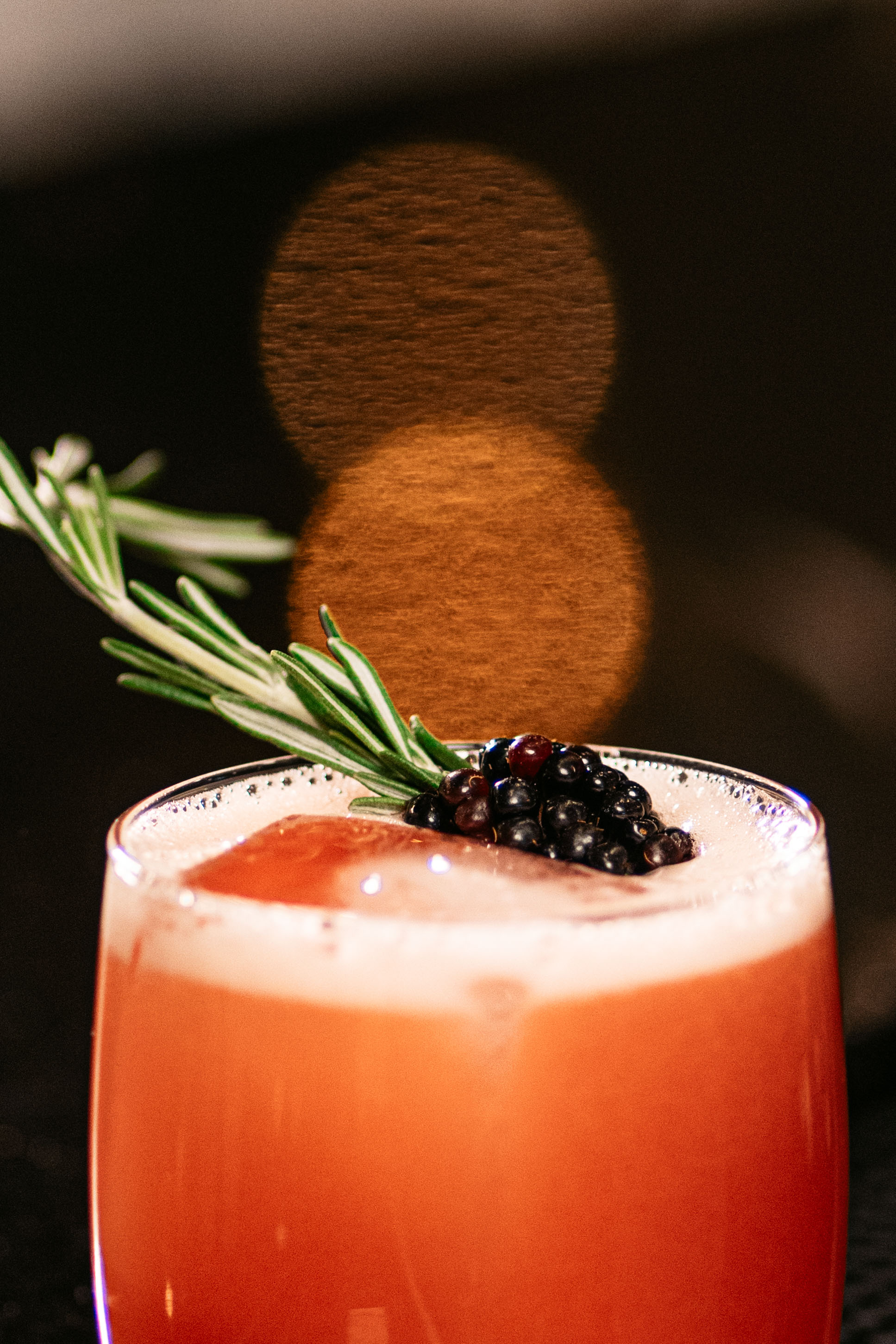
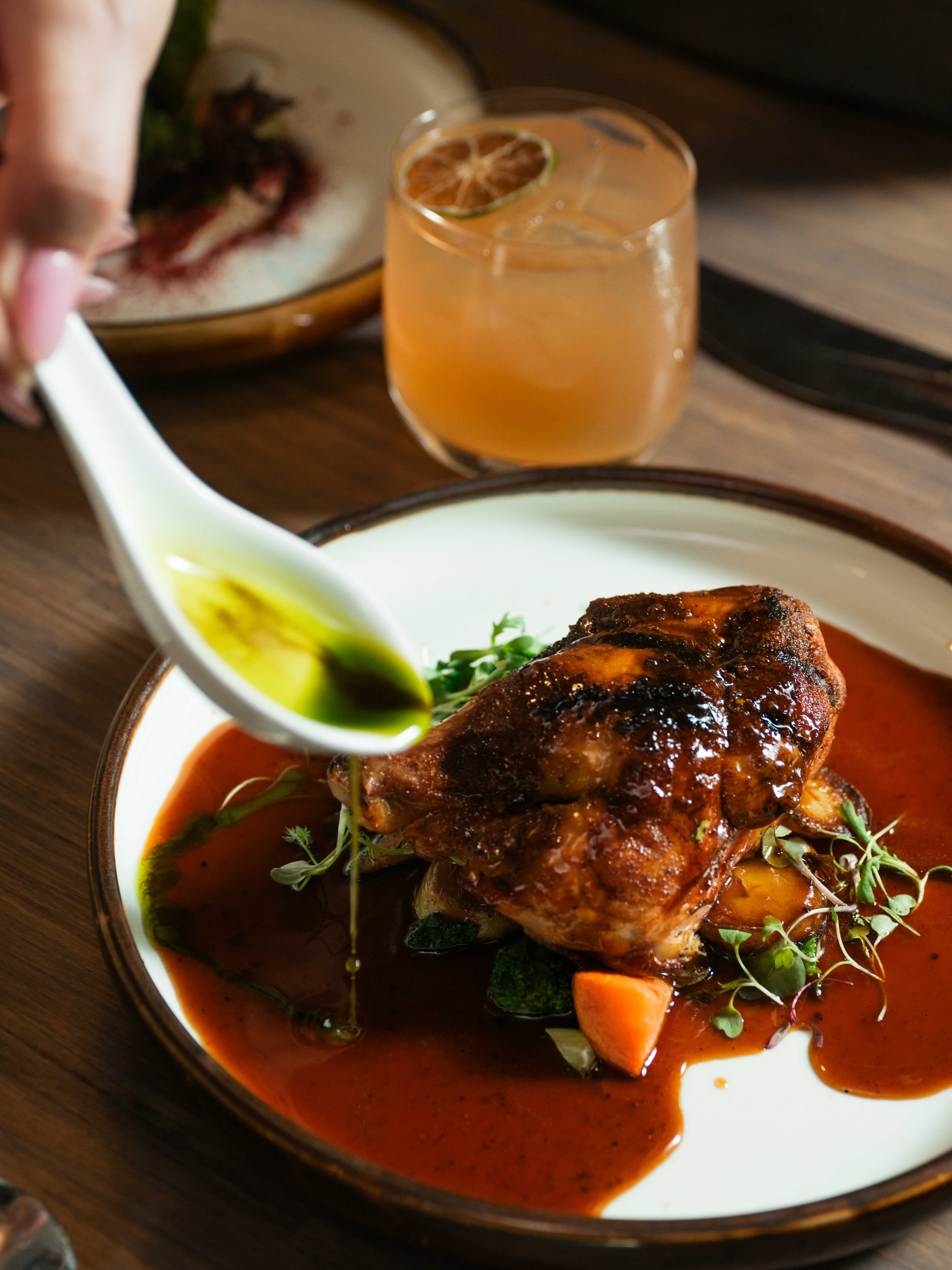
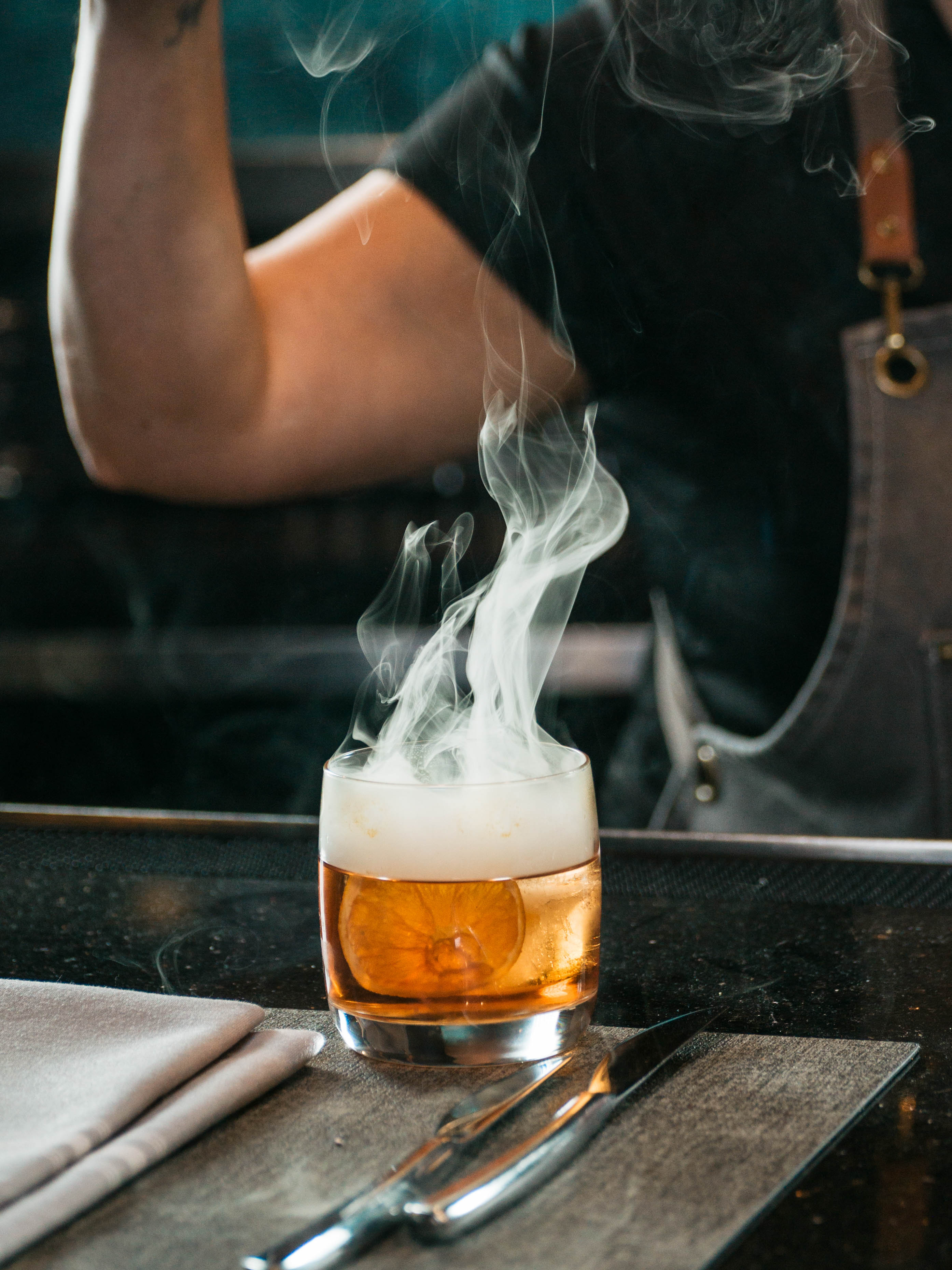
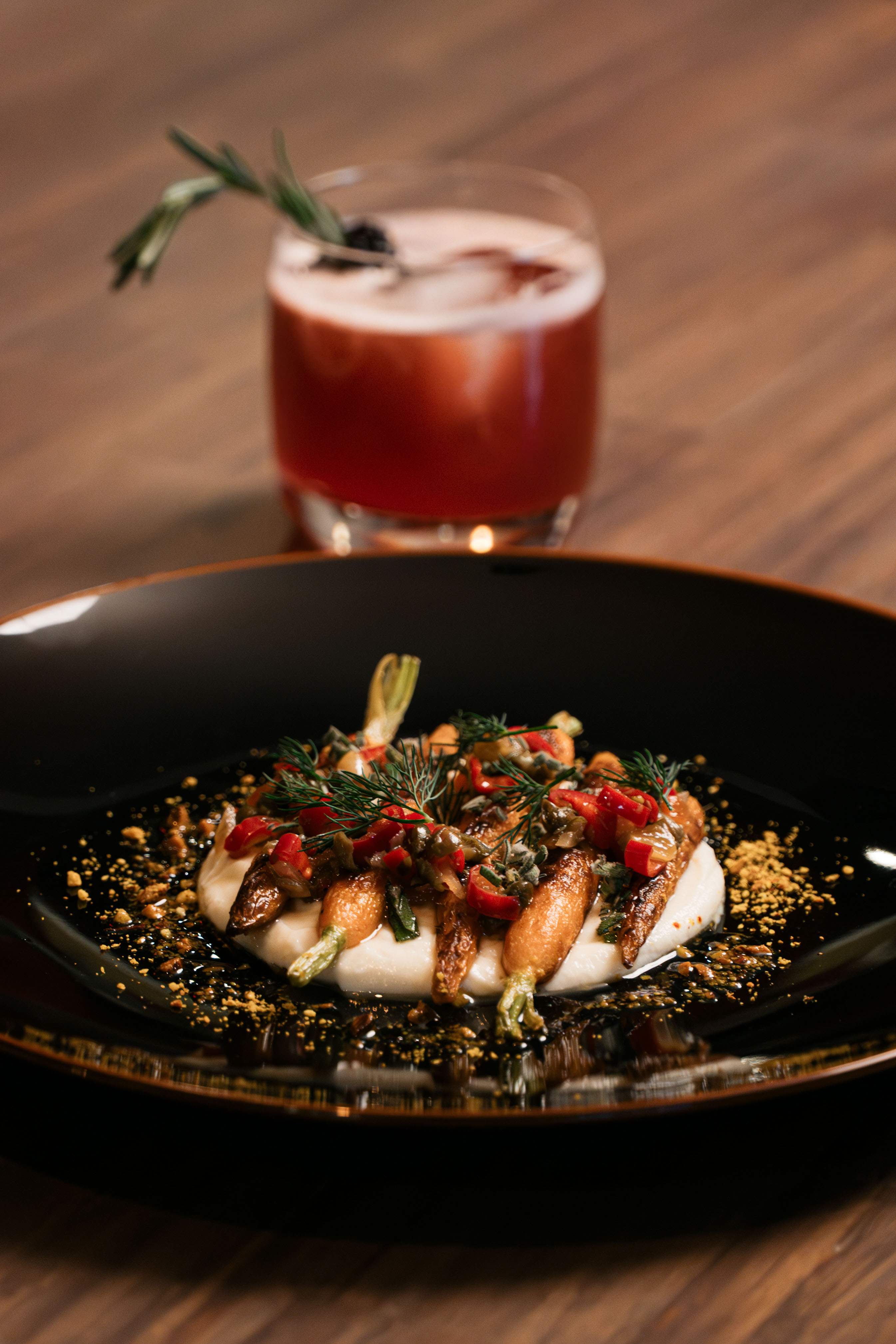
AG Inspired Cuisine is the restaurant inside the Sterling Inn & Spa in Niagara Falls: a serious kitchen with a real following, and the opening months of 2026 came in a little softer against the year before. Working as an integrated partner across the restaurant and the hotel, CARTESIAN set out to answer one question: how do we expand covers and revenue and get the most out of this restaurant? The answer did not come out of the marketing. It came out of the reservation data: 79% of AG's covers were parties of two, and that number reshaped what the restaurant sold and who it sold it to. AG was repositioned as a date night restaurant, the offer was rebuilt around priced occasions rather than dishes, and revenue finished 30% up in June and 30% up in July against the same months the previous year.
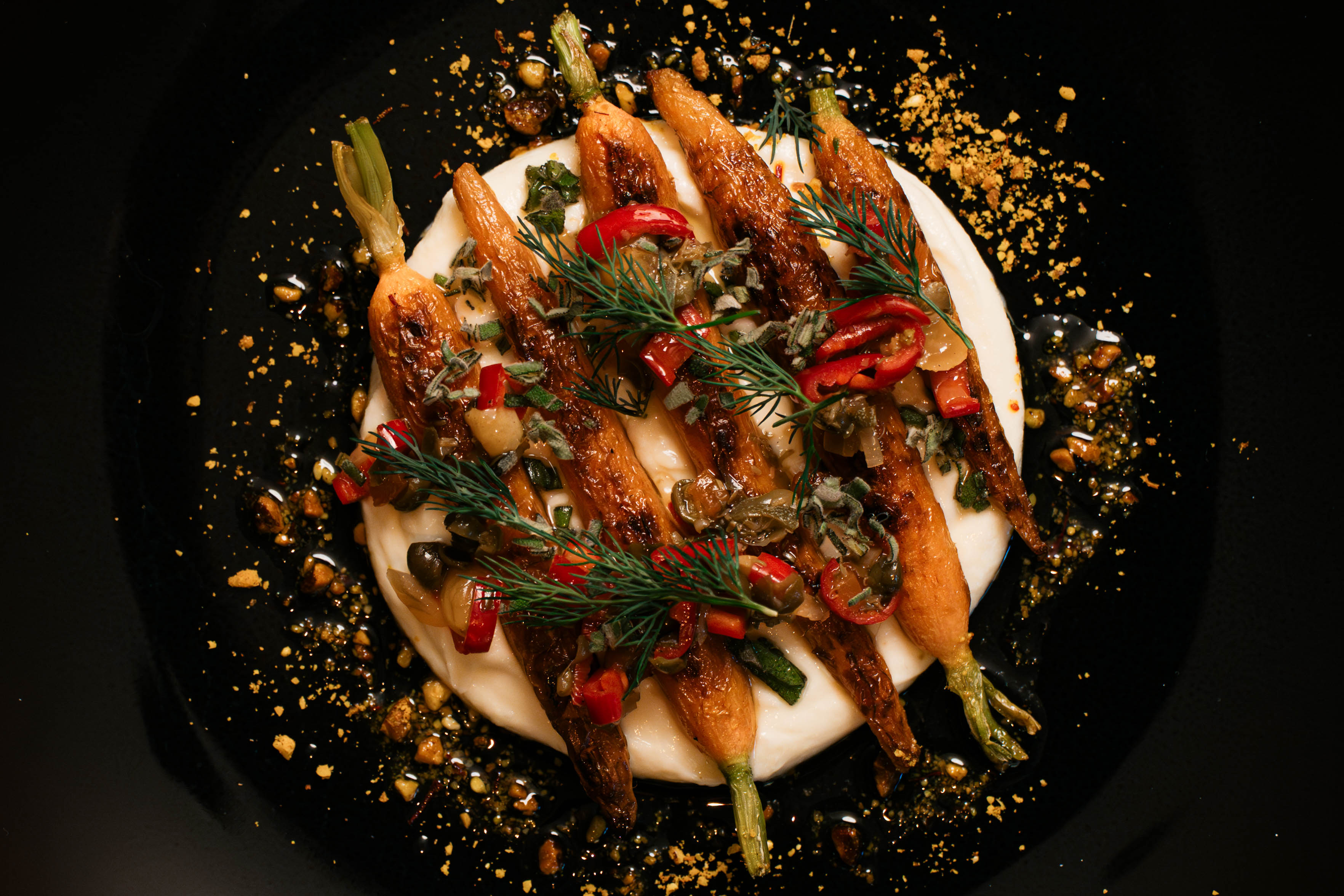
Niagara Falls dining is seasonal, crowded and heavily weighted toward volume, and a fine dining room in that market has to keep earning its share of attention rather than assume it carries over from last year. AG opened 2026 running a little behind its prior year, and the early months simply showed where the room to grow was. The strongest weeks were being carried by pre booked events, which meant the everyday à la carte business had more headroom in it than it was taking. So the question was never whether the restaurant was good enough. It was what it would take to grow share, and everything that followed was pointed at a single commercial outcome: expand covers, lift average spend and grow revenue. This was not a restaurant account with a hotel attached to it. AG and the Sterling Inn & Spa were worked as a single property against a single number, so hotel assets were put to work filling restaurant seats and the two revenue centres fed each other instead of competing for the same attention.
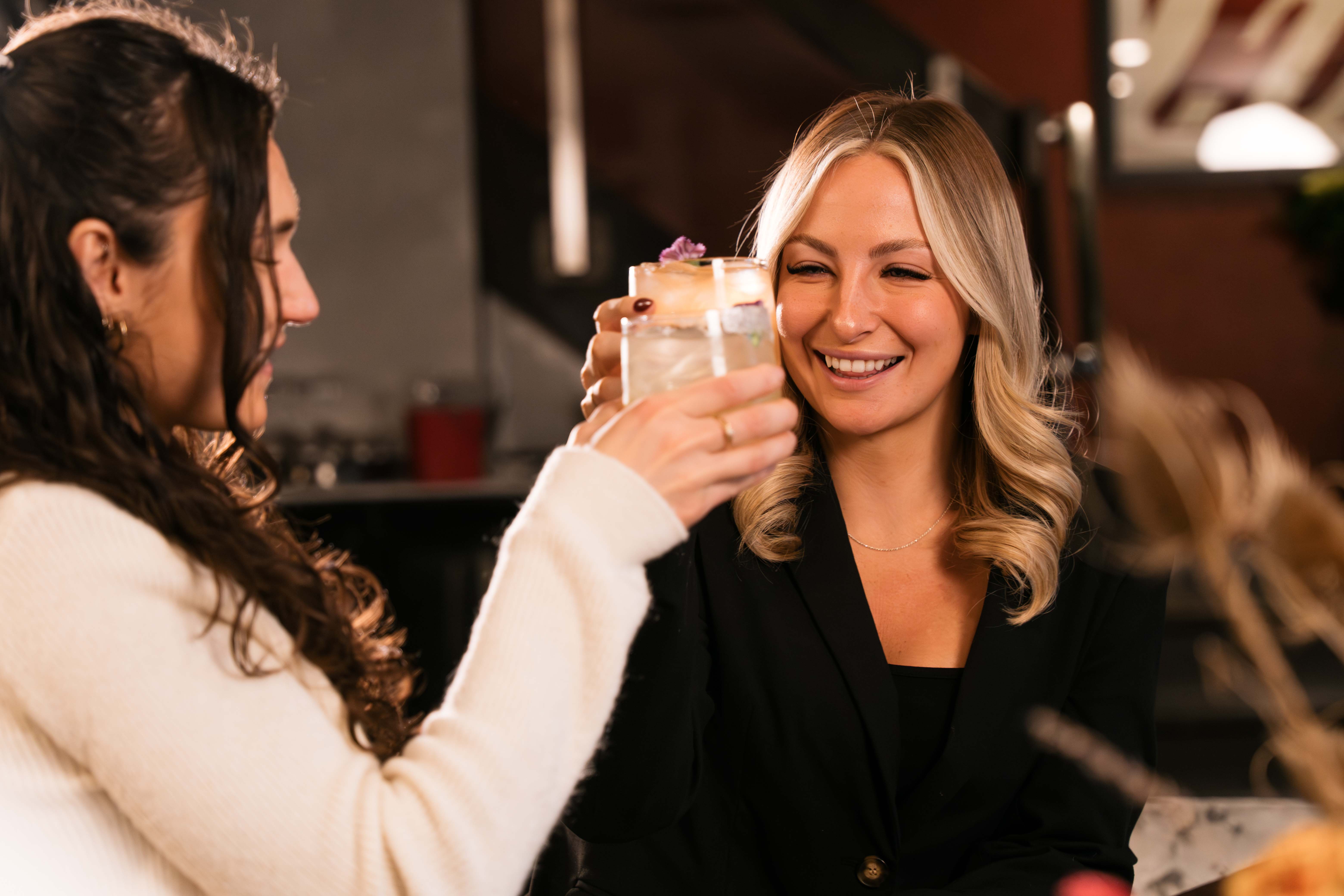
In March, CARTESIAN stopped producing and started diagnosing. The answer did not come out of the marketing. We pulled AG's booking history from OpenTable and cross referenced it against scraped Google reviews, and one number reframed the entire account: 79% of AG's covers were parties of two. That is not a restaurant with a content problem. That is a date night restaurant that had never been positioned as one. Everything downstream had been built for a general fine dining audience, speaking to a table of four or six that mostly was not coming. The research also showed that guests had been writing the strategy for years. More than 200 reviews mentioned the prix fixe menu by name, and 122 TripAdvisor reviews referenced a three course experience. The single most talked about thing about AG, the thing guests raised unprompted, was a fixed price multi course experience. It was also the thing the restaurant had quietly drifted away from leading with.
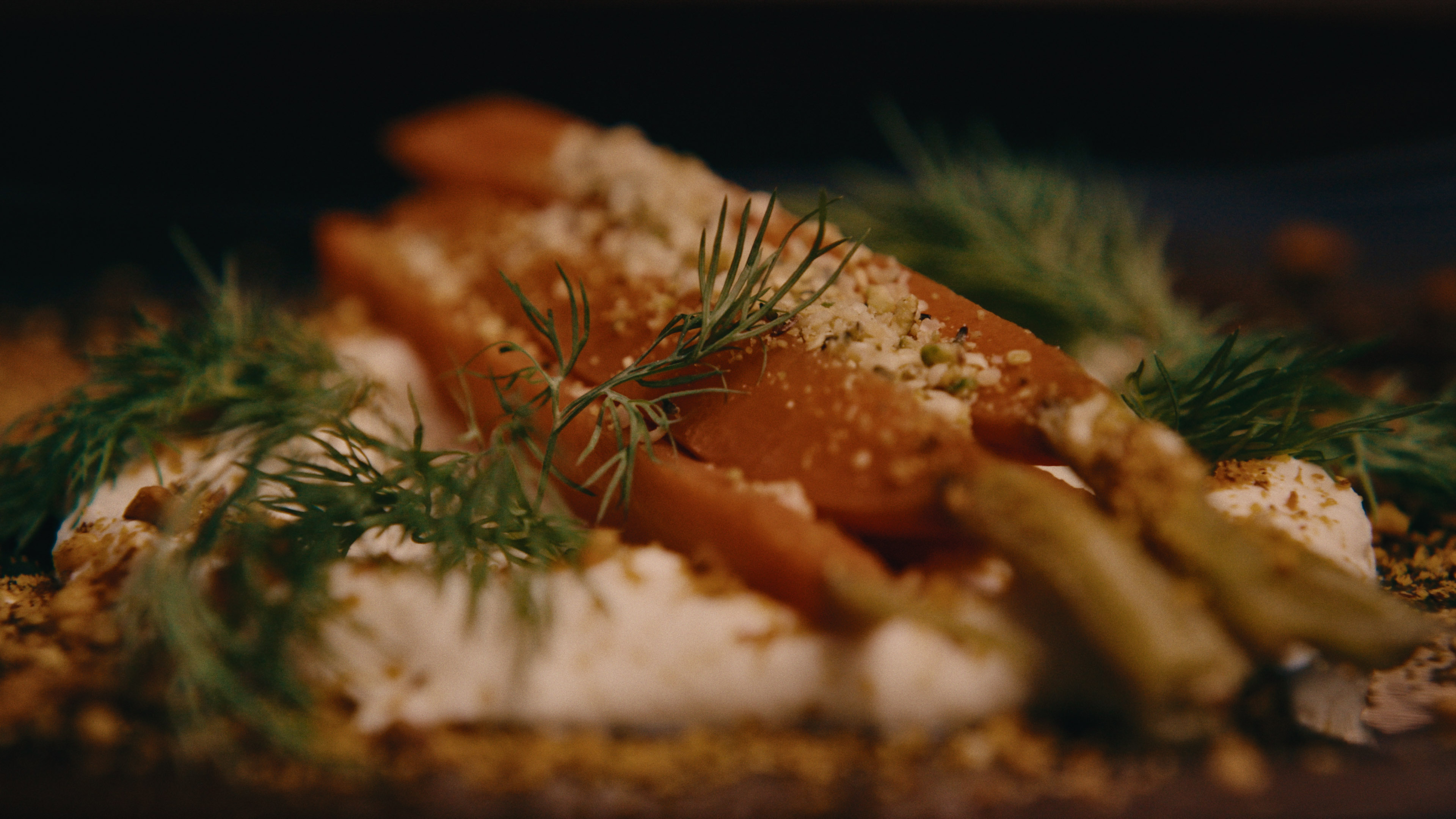
If 79% of covers are couples, and the most reviewed feature of the restaurant is a three course fixed price menu, then what AG should be selling is a defined, priced, nameable occasion rather than a list of dishes. A guest does not book a menu. A guest books an evening. The offer was rebuilt around exactly that: a date night at a known price, a Wine and Dine package from $199, a $49 date night, and a monthly spa feature tying the restaurant to the hotel it sits inside. The clearest proof came at Valentine's Day, which ran as a fixed price occasion and finished roughly 10% ahead of the prior year. The repositioning then moved into the brand and the building itself: new brand guidelines and a reworked logo in January, and an entrance concept worked through six versions and more than thirteen renderings, which informed the direction and supplied the design options the client's full exterior renovation was drawn from.
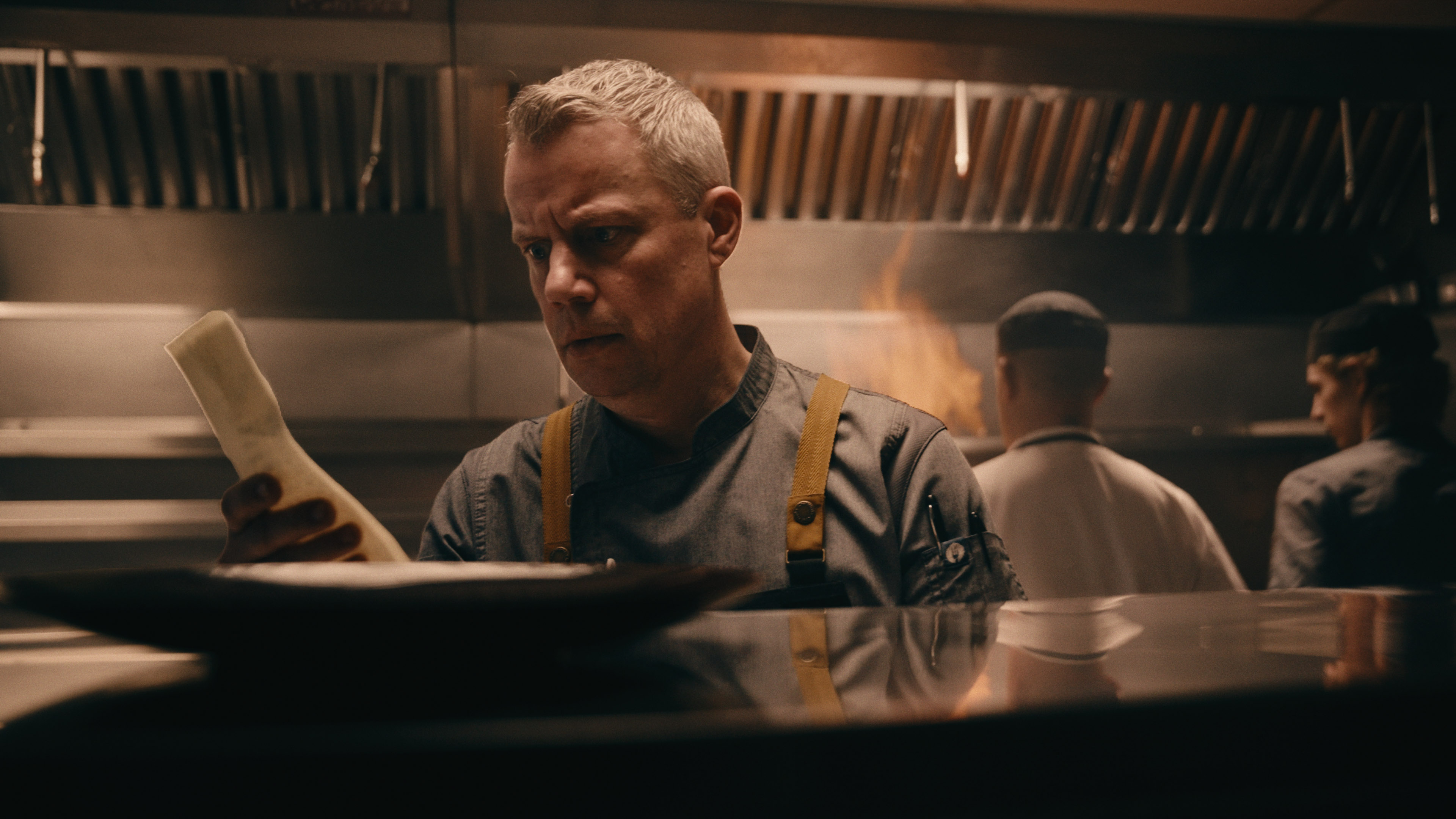
The media work is where the diagnosis was tested, at deliberately small scale before anything was scaled. The Mid Week Escape campaigns ran as a controlled test: four matched variants across two messages and two geographies at equal budget. Greater Toronto Area audiences beat Western New York on both messages, the non converters were killed, and the budget moved into retargeting behind the date night package. On the property, an in room brochure, a Wi Fi portal capture, elevator posters and expanded OpenTable inventory caught the guest already in the funnel. And because brand salience creates demand rather than just harvesting it, a February commercial and brand creative ran alongside the direct response offers, with local SEO and AI visibility work running in parallel. AG and the Sterling now hold roughly 66% AI visibility, and when an assistant like ChatGPT recommends the restaurant it is usually first or second on the list.
Revenue finished 30% up in June 2026 and 30% up in July 2026 against the same months the previous year. Covers moved with it, rising 18.9%.
Those two numbers together are the whole case. Covers rose 18.9% and revenue rose 30%, which means the restaurant did not simply get busier. Average spend per cover rose as well. That is precisely what selling occasions rather than dishes is supposed to do, and it is the difference between filling a room and growing a business. It is also worth noting what produced this without the biggest lever having been pulled: the standing menu has not yet been restructured around the fixed price experience the reviews keep asking for. On the one occasion it ran that way, the restaurant beat its prior year by roughly 10%.
Most restaurant marketing begins with content and ends with engagement metrics, and the gap between the two is where the money quietly disappears. This engagement began with a different question: not what should we post, but how do we expand covers and revenue. The answer was in the reservation data, in the review corpus and in the shape of the offer, and none of those are things a content calendar touches. Restaurant revenue only has two inputs, covers and average spend, and any plan worth paying for should be able to name which of the two it is moving, by how much, and by when. AG moved both. It also matters that the restaurant and the hotel were run as one partnership rather than two accounts, so the offers, the brand, the exterior, the print, the reservation supply, the paid media and the AI visibility work all compound instead of cancelling each other out. That is the standard CARTESIAN holds itself to: diagnose before producing, position from the data rather than the brief, and aim everything at a single number.


.svg)
.svg)
.svg)
.svg)