
.svg)
.svg)
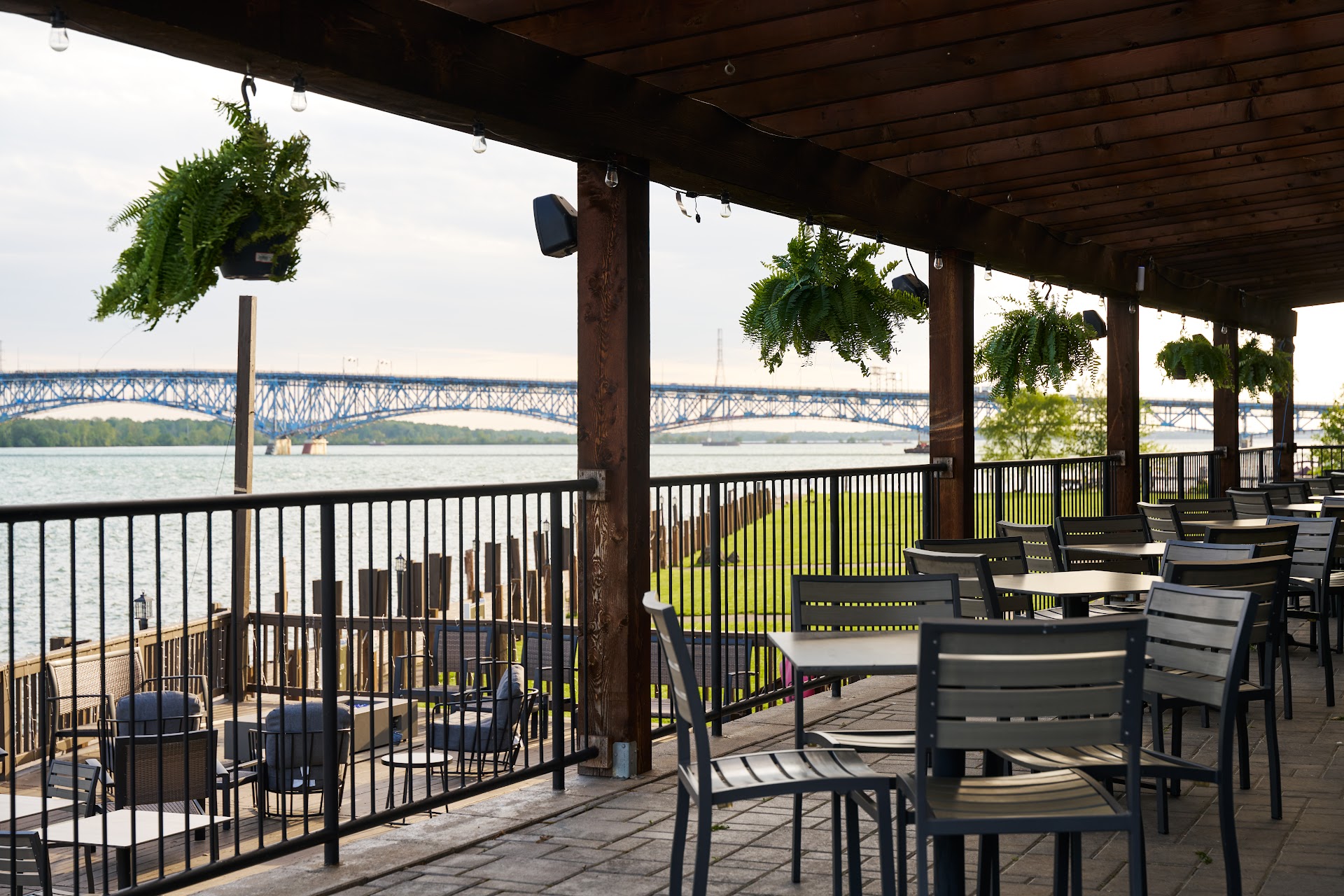
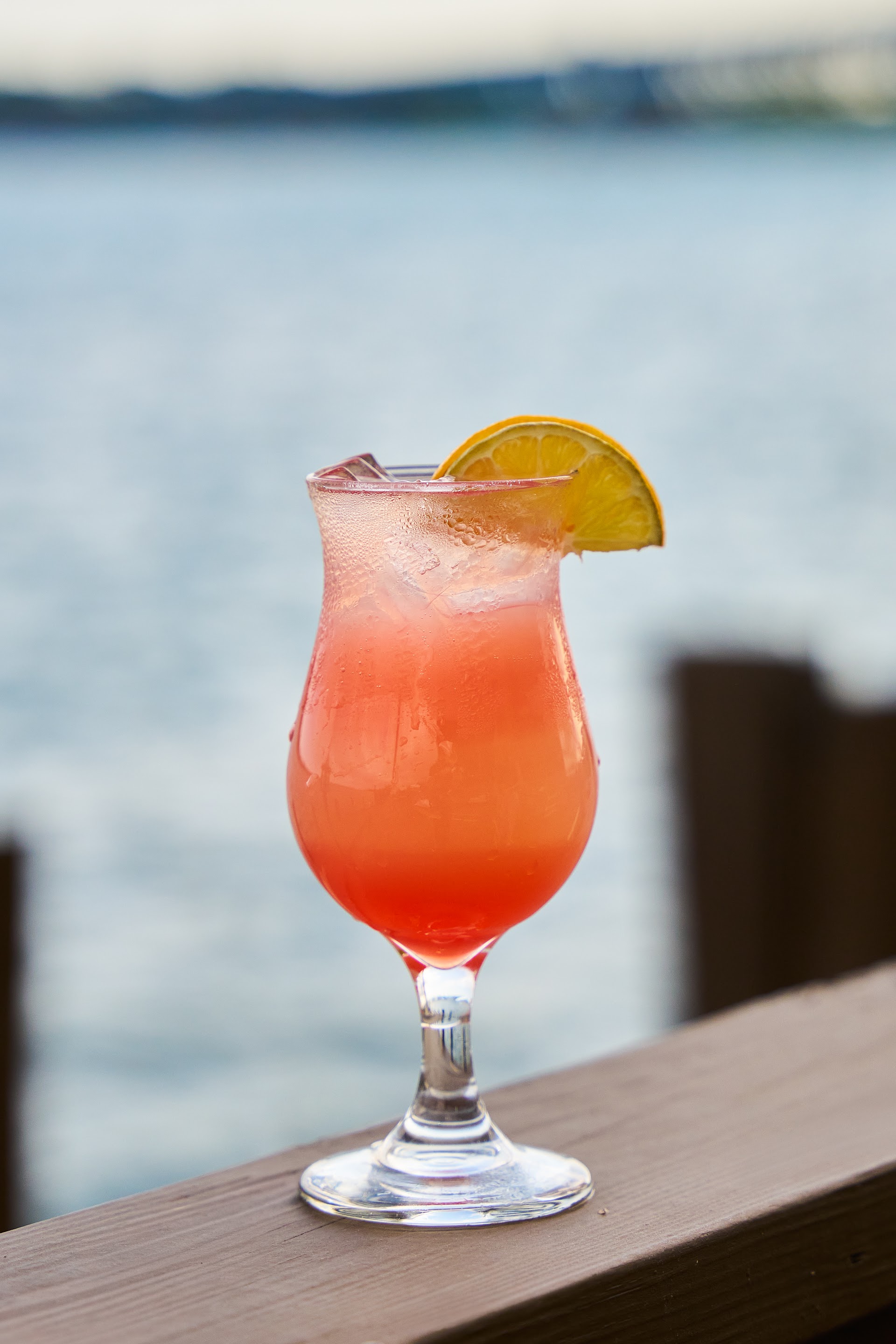
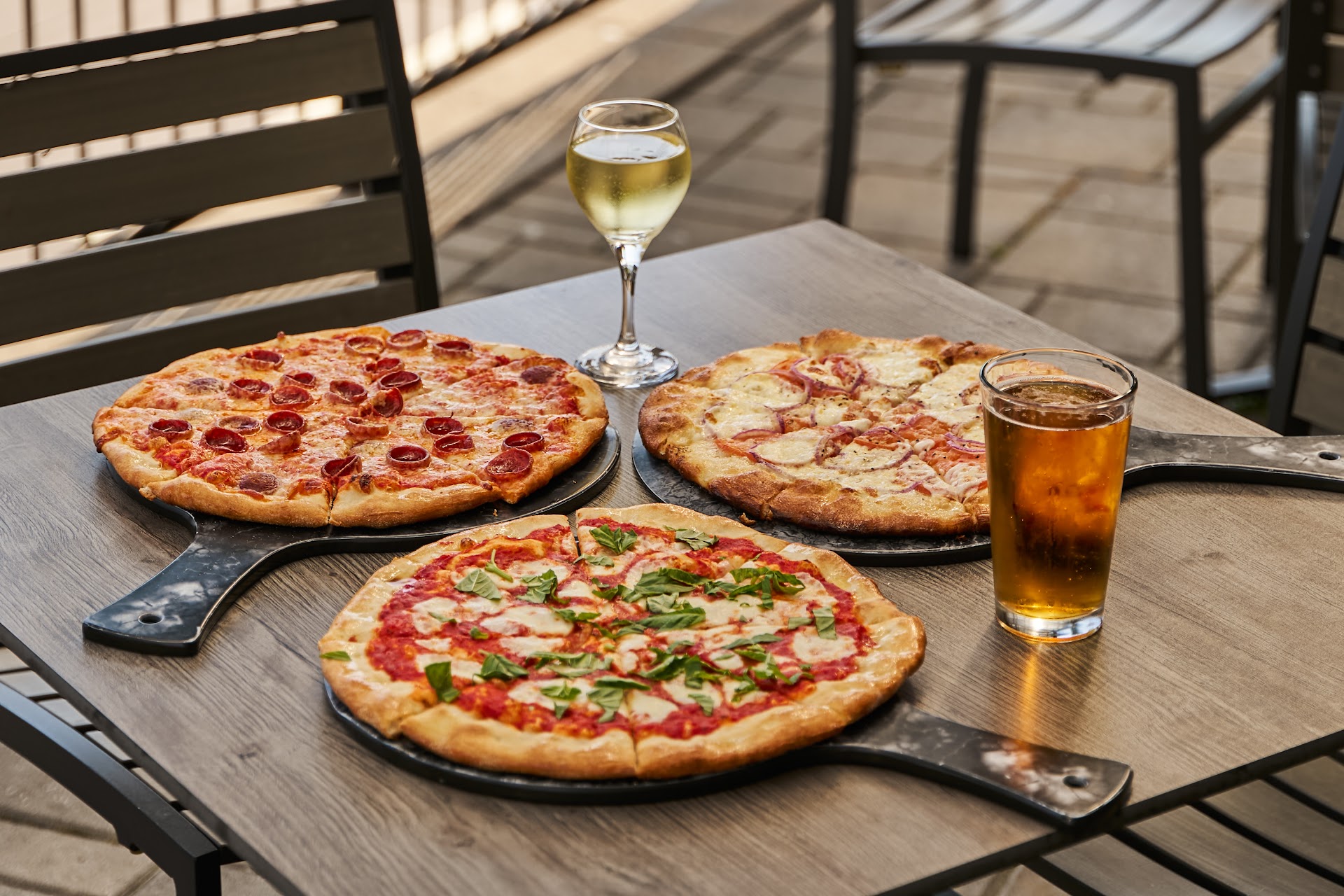
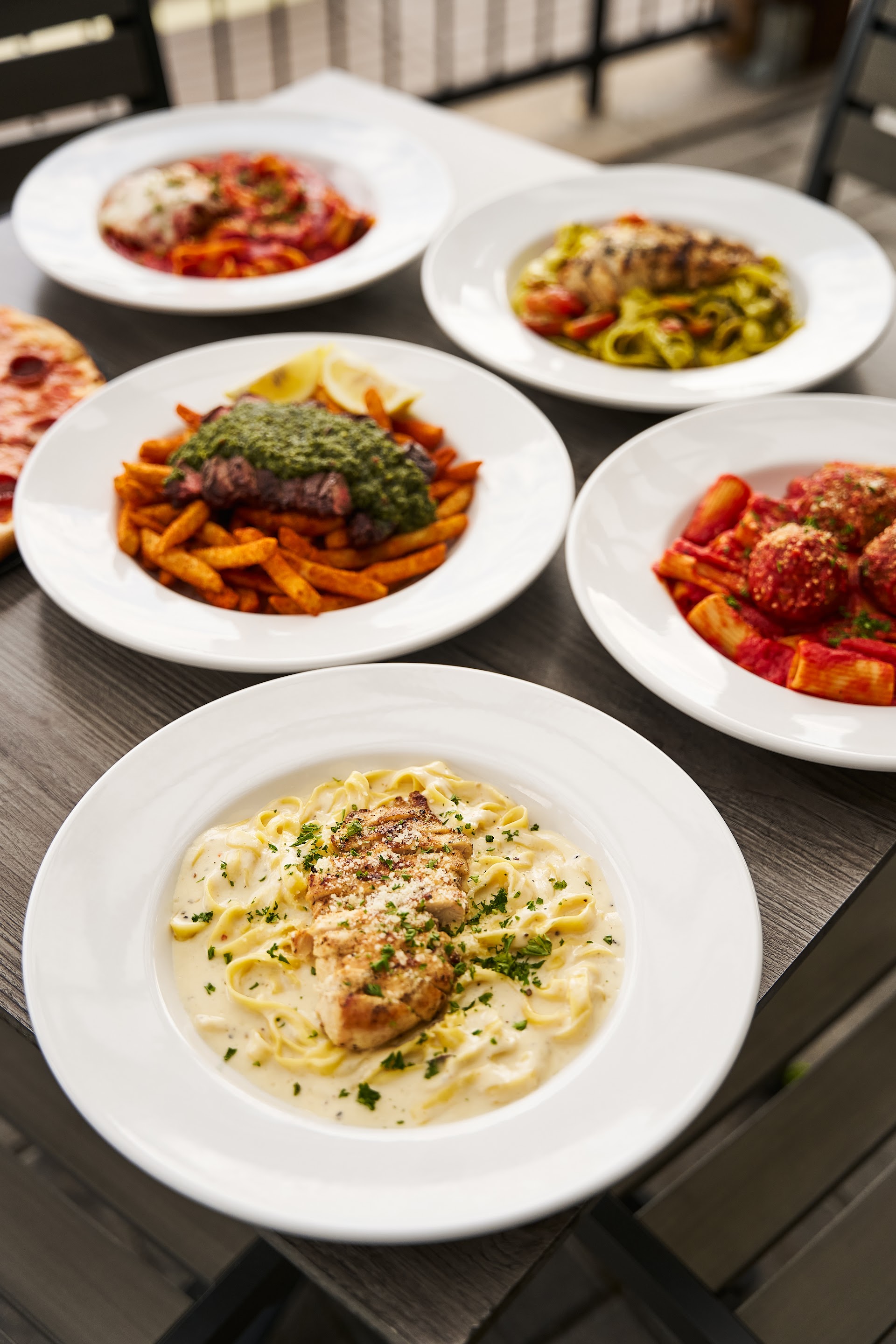
Ownership set an aggressive revenue goal for a restaurant with a four month patio season. CARTESIAN solved for the price and cover movement required to hit it, then built the menu pricing, positioning, offers and media to deliver it. Revenue finished more than 30% up year over year on the same period.
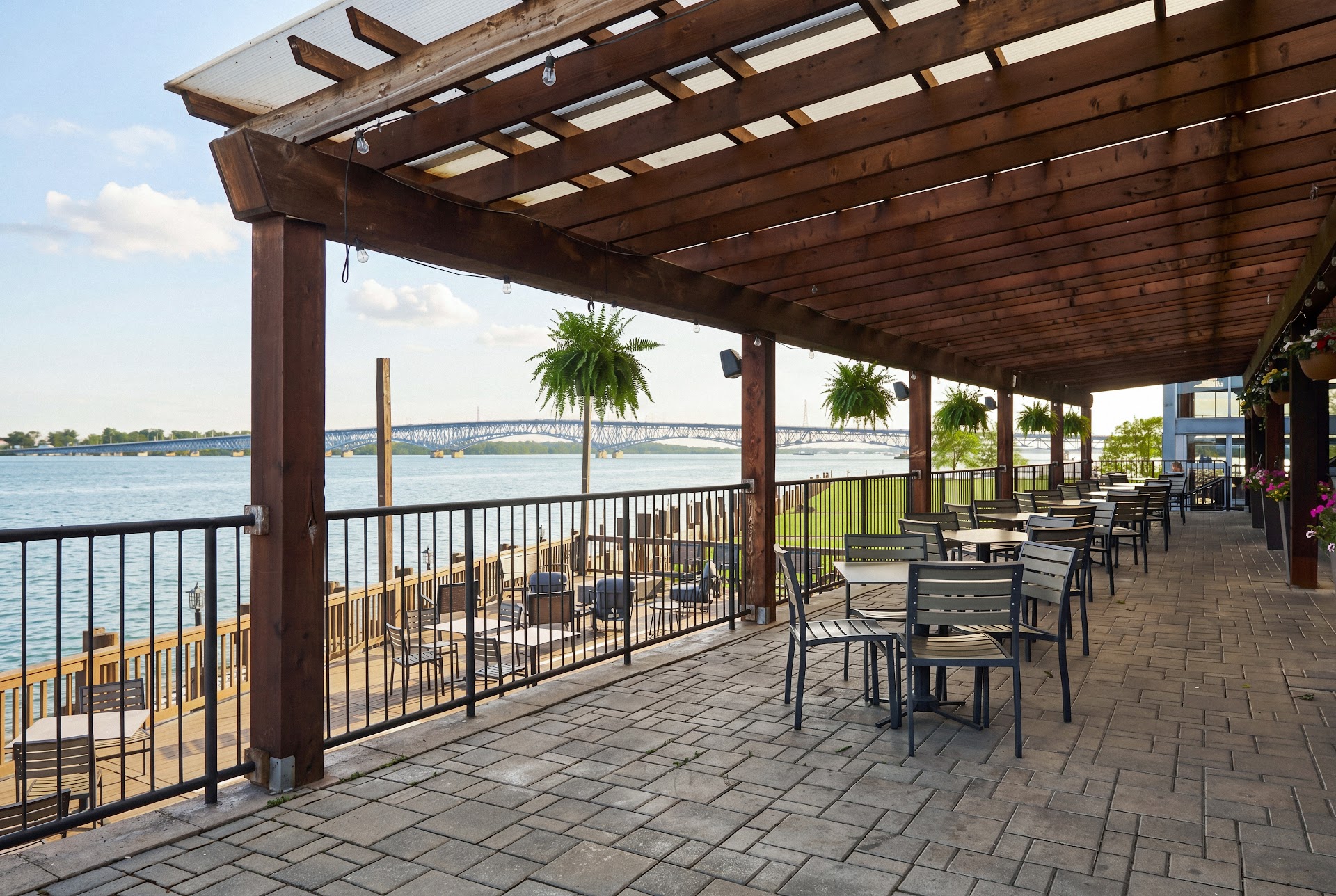
Bella Vista came to CARTESIAN with a number rather than a brief. Ownership had set a revenue target for the season and wanted to know whether marketing could get them there. The constraint was the calendar. This is a patio restaurant, which means the revenue has to be earned in roughly four months. There is no long tail and no second chance in November. A campaign that takes eight weeks to find its feet has already spent half the season. The second constraint was budget: an independent restaurant, not a chain, so whatever ran had to start working almost immediately, and we had to know which parts were working fast enough to move money toward them.
A revenue target is not a marketing objective. It is an output of two things: how many people come through the door, and how much each of them spends. So before any creative work happened, we took ownership's target and solved backwards for what those two numbers had to become. That gave us the actual brief: covers had to rise by a specific percentage, average spend per cover had to rise by a specific percentage, and both had to happen inside the patio window. Those two figures became the KPIs the entire campaign was managed against. Every tactic that followed had to move one of them, and anything that moved neither did not get made. Working backwards means you know on day one whether the plan is even arithmetically capable of hitting the target, which is a far more useful thing to find out in April than in September.
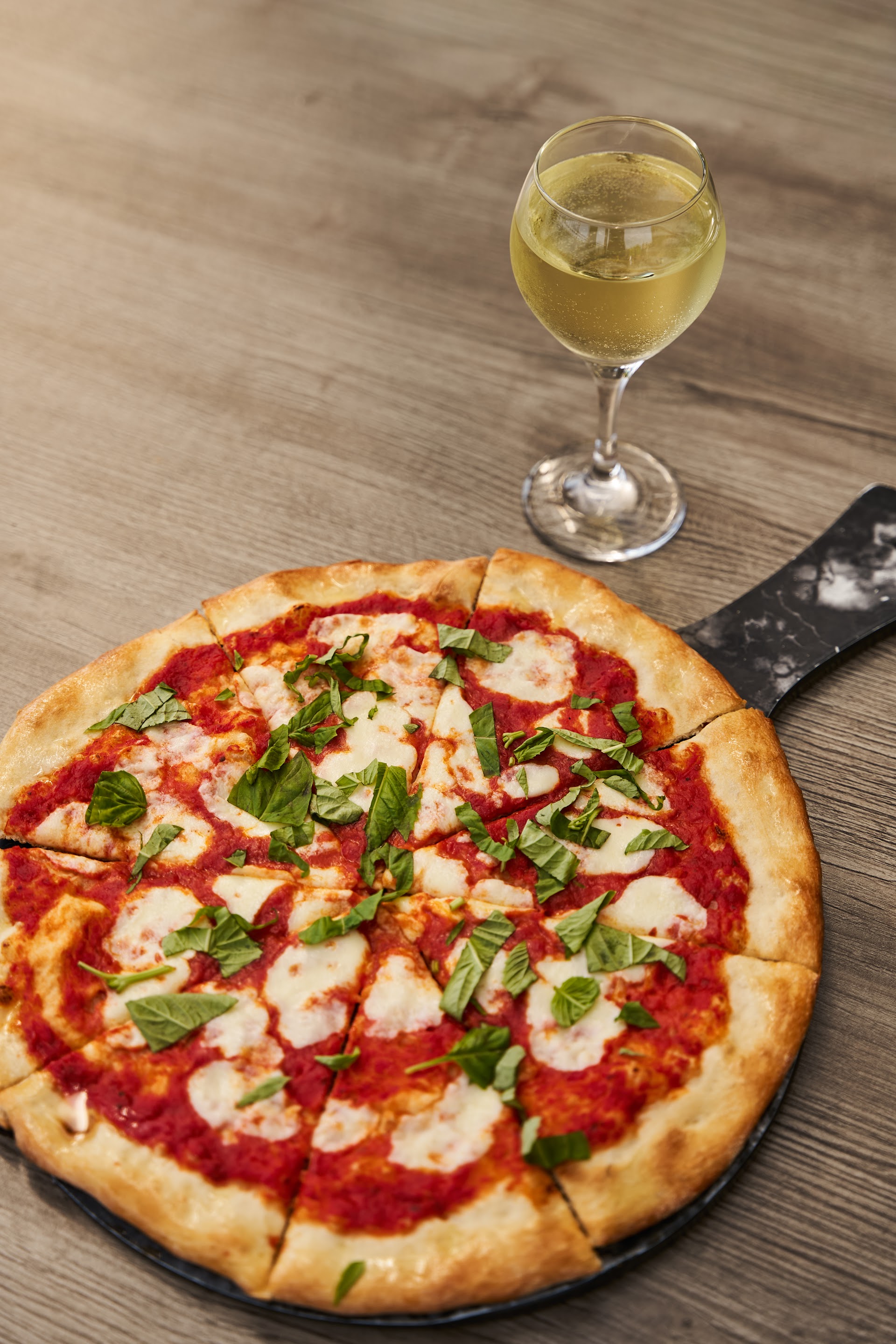
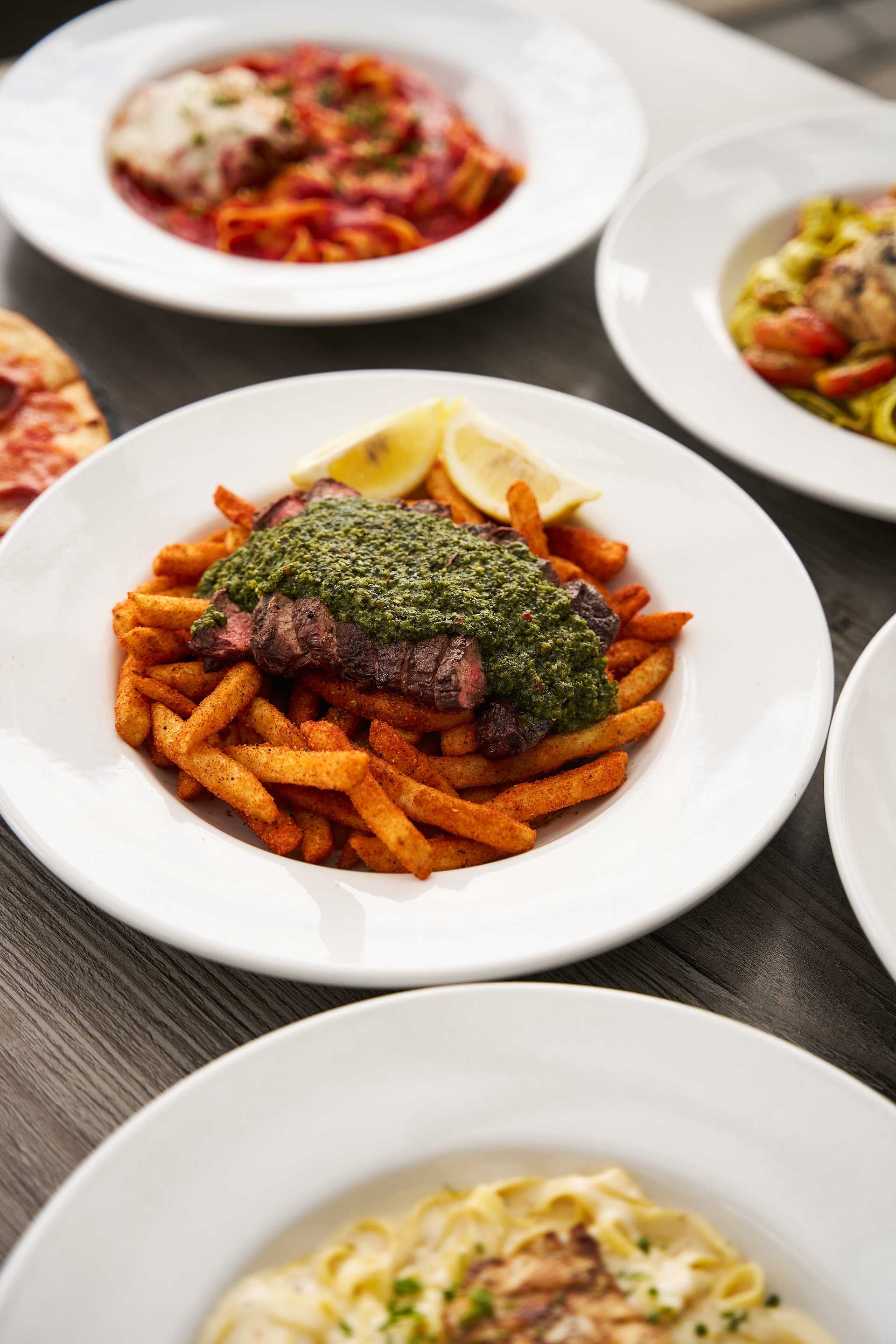
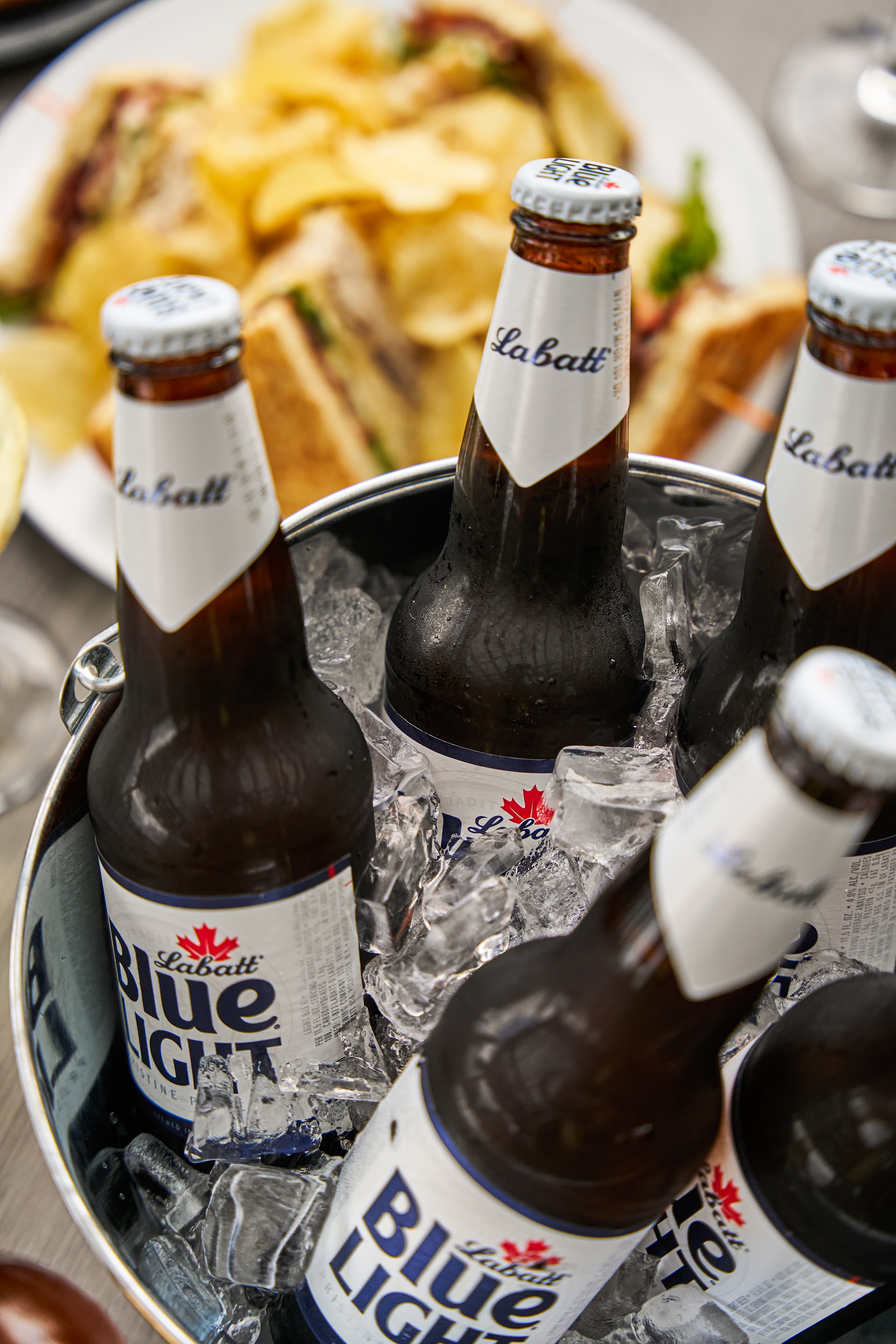
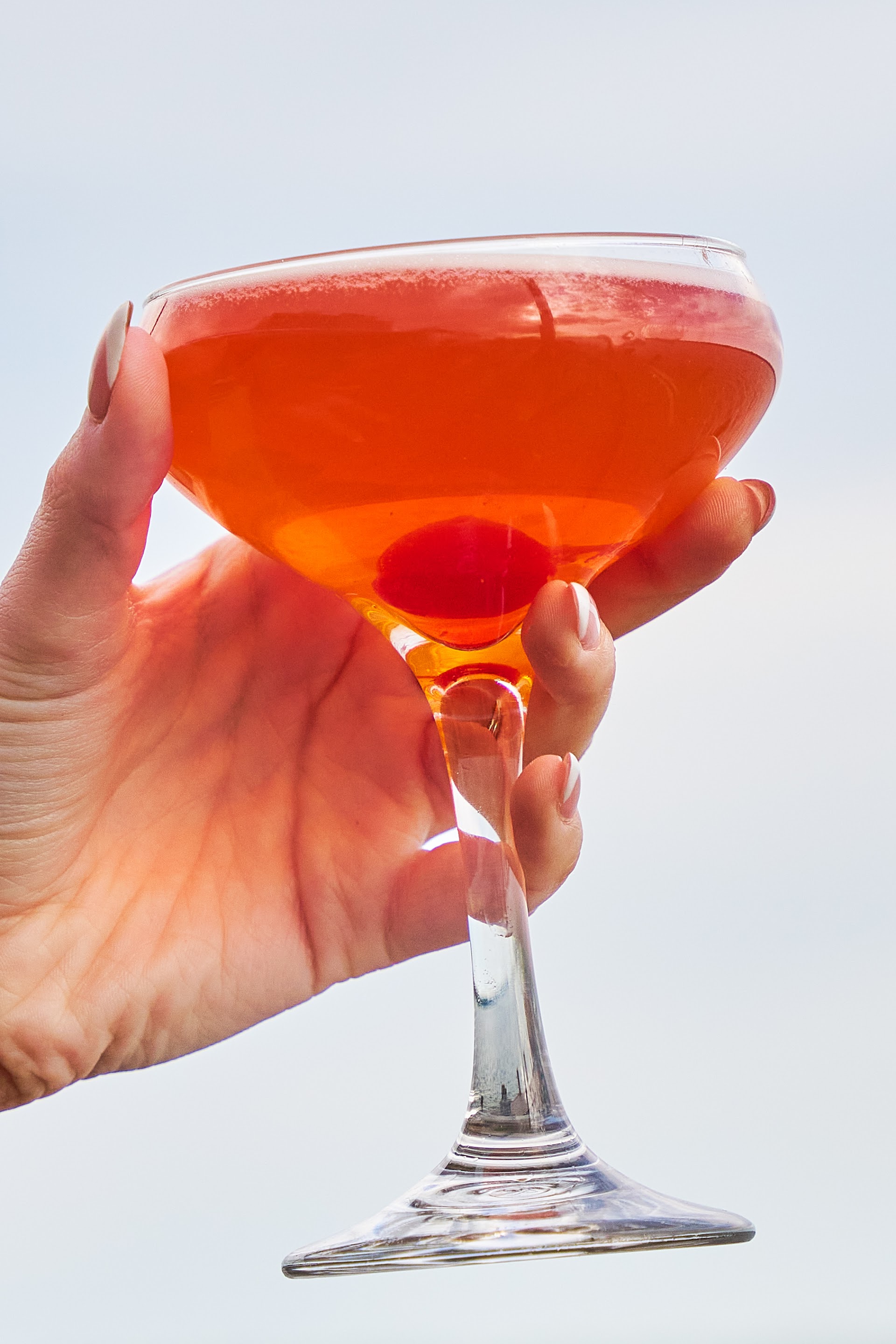
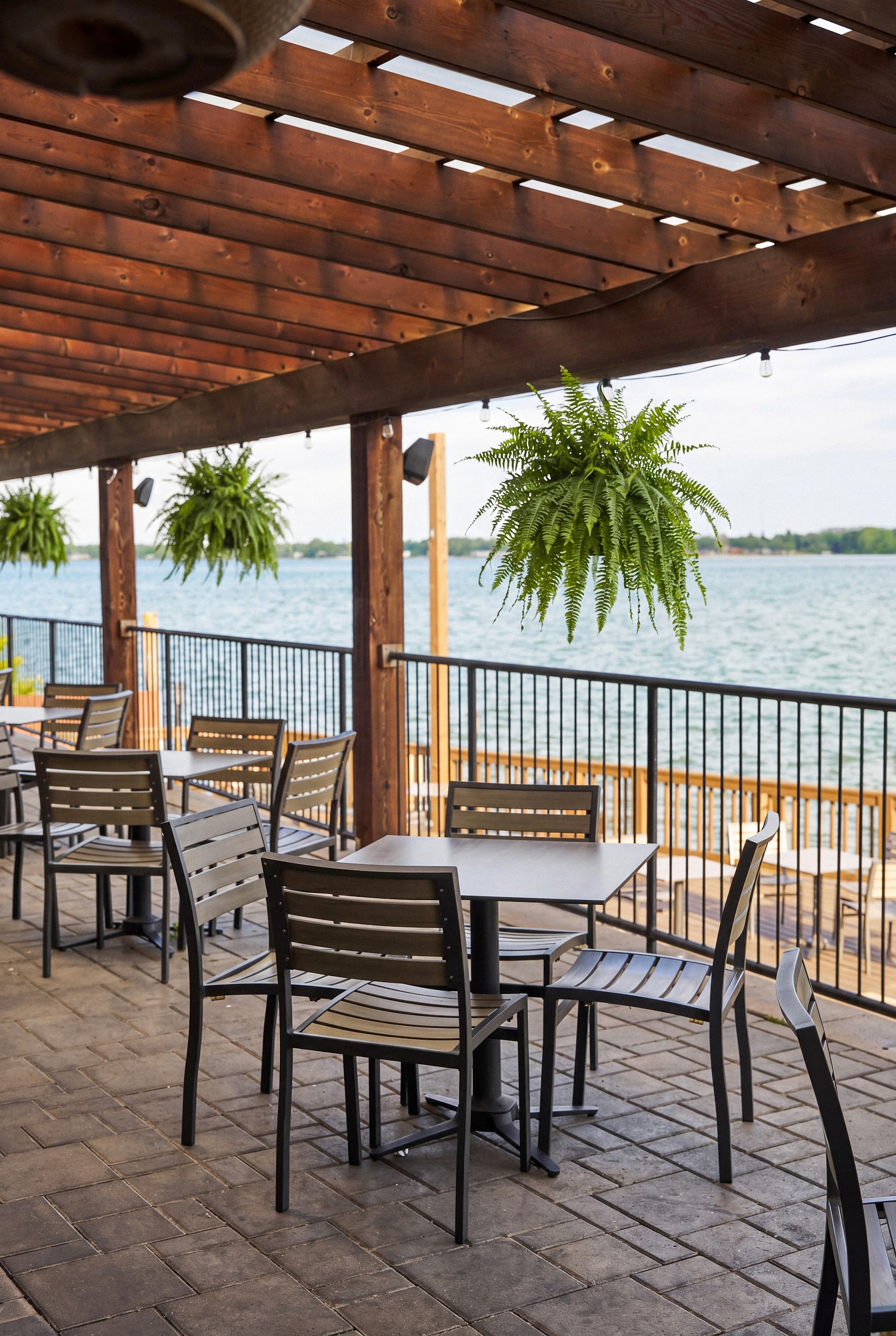
The maths made something clear immediately: filling more seats alone was not going to reach the target. Average spend had to move as well, which meant the menu itself was a lever, not a fixed input. We repriced it, rewrote item names, redesigned the menu and rebuilt the table cards, treating the menu as conversion design rather than a list of food. A market study on local pizza pricing showed Bella Vista was priced below what the quality justified, and the new price got a claim to live behind: the softest pizza dough in the city. The positioning did not hedge either. The patio and the sunset over the water are what people remember, so the entire strategy was built around them: Sunset Service with $8 cocktails, Power Hour on a $5 beer, Clam Slam every Thursday, $25 buckets of beer, and Rock the Dock, the Wednesday live music night that was already the strongest of the week, used as the anchor rather than left alone.
With a short season and an independent restaurant's budget, waiting is what costs you. So instead of running three or four ad sets and watching, we built custom creative for every individual offer and ran roughly 25 to 50 variants against each other, finding the winners in days and moving the money behind them while the patio was still full. The testing was not a research phase that preceded the campaign. It was the campaign. Around the paid media sat the rest of the system: stay and dine flyers in the neighbouring hotel lobby, table cards extended into user generated content cards with a weekly giveaway, local influencer partnerships including a creator whose dock and dine content travelled well beyond the restaurant's own following, a full Google Business Profile rebuild to fix outdated photos and hours, and a from-scratch photo and video library that fed the Google listing, the paid creative, organic social and the printed material all at once.
Revenue finished more than 30% up year over year on the same period. The target was set by ownership before any work began, the required movement in covers and average spend was calculated against it, and the season delivered. The number was not a pleasant surprise at the end of the season. It was the thing the plan was built to produce.
Sunset Service with $8 cocktails, Power Hour on a $5 beer, Clam Slam every Thursday, $25 buckets of beer, and Rock the Dock as the anchor. A night that already works is the cheapest thing to sell, the best first impression for a new guest, and the reason every other offer gets believed.
Repricing backed by a local market study moved margin and revenue at once, and the claim gave the new price a reason to exist in the guest's mind, in a category where everyone says fresh and homemade and nobody says anything at all.
Guests can arrive by boat and dock at the property, and nobody had ever marketed that. Dock and dine became a genuine acquisition channel reaching local boat owners who were already nearby and had simply never been asked, and the creator content built around it travelled furthest of everything the campaign produced.
Most restaurant marketing is judged on engagement, because engagement is easy to measure and revenue is someone else's department. The result is a great deal of activity that nobody can connect to money. Restaurant revenue only has two inputs, covers and average spend, and any marketing plan worth paying for should be able to say which of those two it is moving, by how much, and by when. If it cannot, it is not a plan, it is a content calendar. Start from the operator's number, solve backwards for what has to be true, and treat pricing, menu design, offers, media and content as one system pointed at the same target. It is why a four month patio season closed more than 30% up.
The point is not that a restaurant grew. It is that the growth was specified in advance. Four principles made that possible.
Work backwards from the number. A revenue target resolves into covers and average spend. Solve for what each has to become, then manage every tactic against those two figures.
Price is a lever, not a fixed input. The menu, the item names and the table cards were treated as conversion design, and the pizza repricing moved margin and revenue at once.
Spend the budget on the exceptional asset. The patio and the sunset carried the whole positioning, and every offer pointed back at them.
Test wide, move fast. Running 25 to 50 creative variants found the winners in days while the patio was still full. In a four month season, the testing is the campaign.


.svg)
.svg)
.svg)
.svg)