
.svg)
.svg)
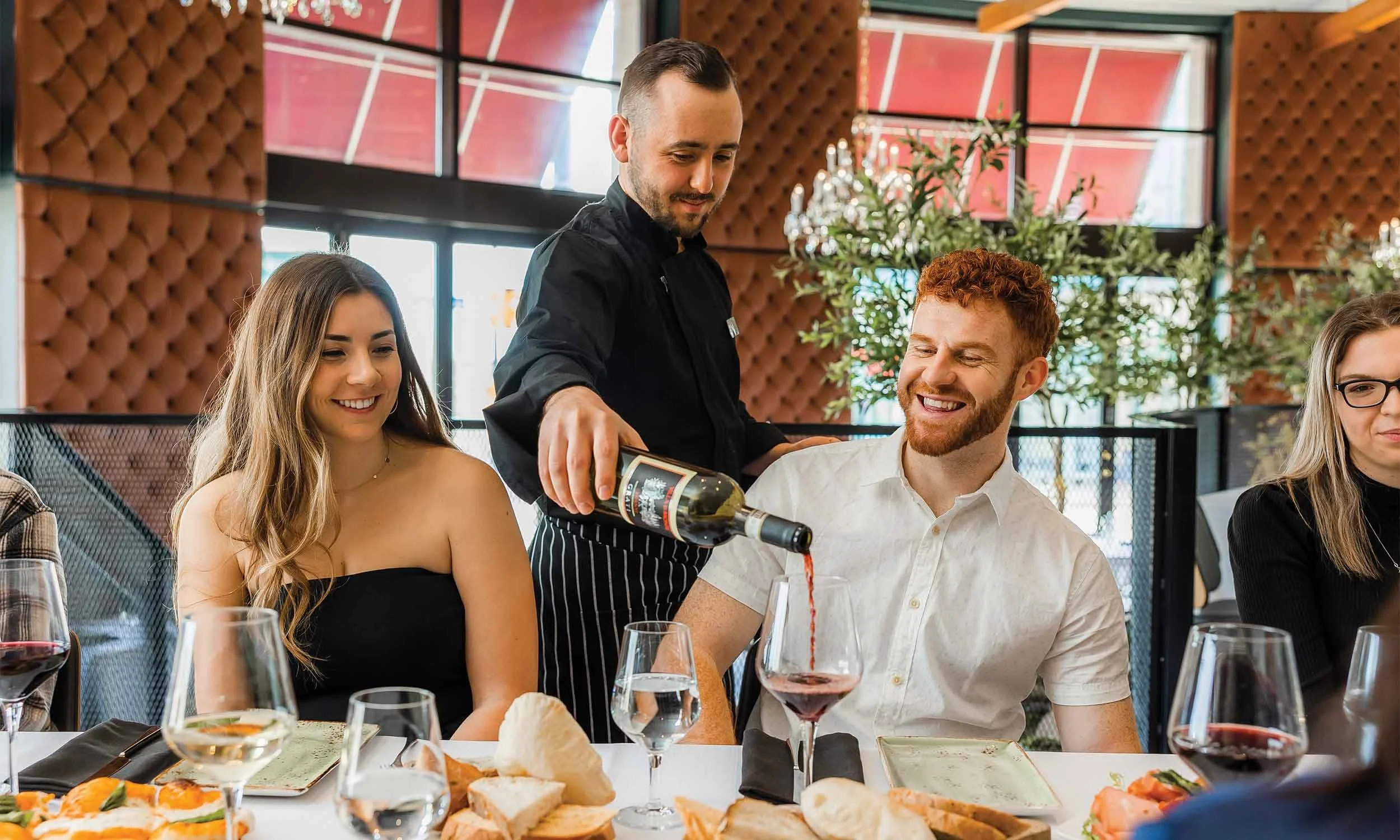
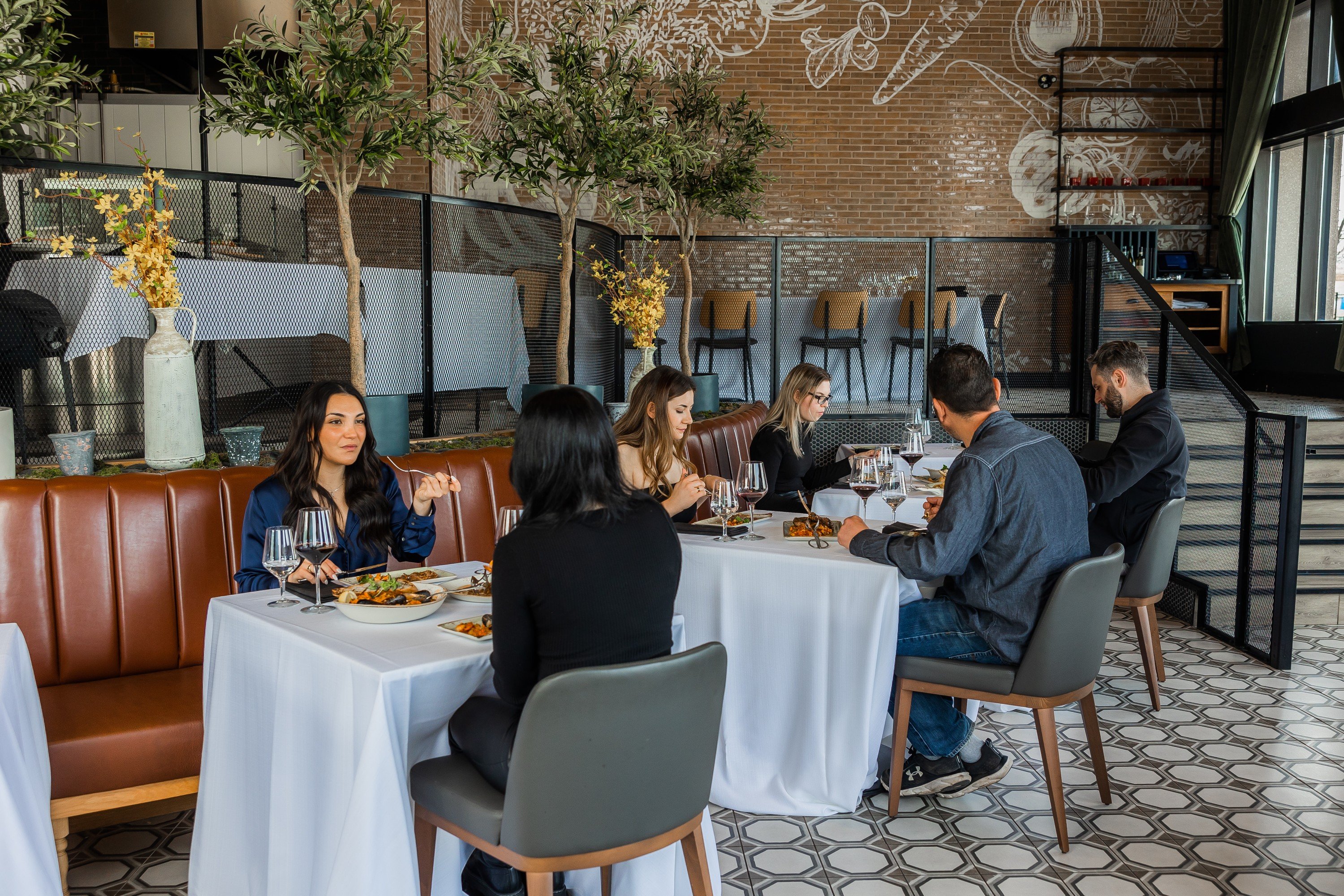
Corso Italian sits inside one of Niagara Falls' most visited hotels, steps from the region's biggest concert and show venues. On paper, it should be full every night, and it wasn't. CARTESIAN ran a six-week mixed-methods research program to surface why, then built a one-year repositioning roadmap the leadership team committed to within two weeks of presentation.
Revenue had plateaued for two consecutive years. Covers were inconsistent. The menu had sprawled, the concept had drifted, and three years of kitchen turnover had left the food program without a consistent voice. Leadership wanted a research-first answer to one question: what does Corso need to be, and who is it for, in order to grow?
2,478 guest reviews coded across OpenTable, Google, TripAdvisor, and Yelp. 190 Hilton in-house guests surveyed. 48 show-night guests intercepted on-property. A nine-competitor audit covering Brasa, Morton's, Weinkeller, and Bacchus. Three stakeholder interviews and an eight-person focus group. The output wasn't a report for a shelf — it was a decision document.
The research narrowed the problem to four undeniable findings: an awareness gap (not a quality gap), identity drift across how the venue was being marketed, real competitive strength on service, ambience, and value, and a core offer Endless format, Welcome Prosecco, the 45–60 guest , already working harder than the rest of the menu.
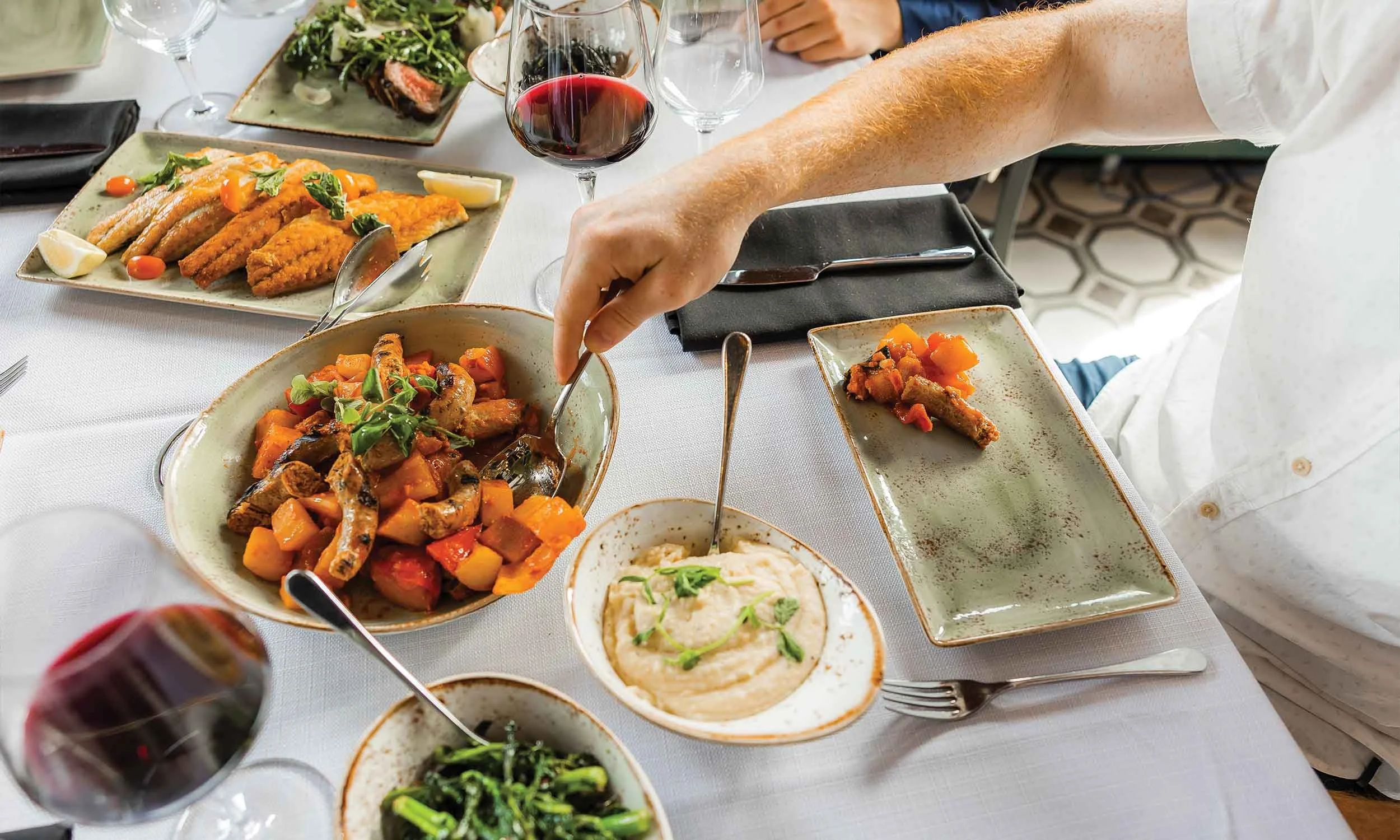
CARTESIAN recommended repositioning Corso as Corso Italian Kitchen and Wine Bar, anchored in its original family-style Italian roots and built for the hotel's highest-value guest: the couple staying for a show or a weekend away. A two-tier family-style menu (Primo $49 / Completo $68), a food concierge model, the antipasto bar reinstated as the room's visual anchor, a refreshed brand system, and an in-hotel activation plan to close the awareness gap at the point where it matters most.
A six-week mixed-methods program: 2,478 guest reviews segmented by theme, sentiment, and time period; 190 Hilton in-house guests surveyed; 48 show-night intercepts; a nine-competitor audit; stakeholder interviews; and a focus group of repeat Niagara visitors aged 35 to 60.
Of guests who did know, 82% said they'd consider it. Service, ambience, and value all benchmarked above the closest competitor. The growth ceiling was visibility, not desirability — and that finding reframed the entire campaign.
A clearer, more ownable name. A two-tier family-style model — La Grande Tavola Primo at $49 and Completo at $68 — built around the antipasto bar and the signature Welcome Prosecco moment. A food concierge model that removes friction and protects kitchen pacing on busy show-nights.
Concept locked, pricing approved, antipasto bar being rebuilt as the visual anchor, food concierge role moving into hiring, and the 2026 relaunch on the calendar — aligned to the start of concert and peak travel season, with CARTESIAN as the strategic and creative lead through launch.
Treating a hotel restaurant as an amenity leaves revenue on the table and guests underserved. Corso is what happens when a hotel restaurant gets researched like a standalone concept and relaunched with the same discipline a destination-led hospitality client would expect — and the leadership team is working against a meaningful growth step-up after two flat years, structured to come from closing the awareness gap and sharpening the concept, not from heavier discounting.
The work in Niagara Falls is a proof point for a broader thesis: hospitality and tourism brands grow faster when they stop guessing, start listening, and give their teams a single clear direction to execute against.
Diagnose before you decide. The growth ceiling was awareness, not quality — a finding that changes which lever to pull first.
One concept, one sentence. If guests and staff can't describe the venue the same way, marketing can't fix the gap until the concept does.
Anchor in what's already working. The Endless format, the antipasto bar, and the Welcome Prosecco moment were already pulling weight — the reset built the new brand around them, not over them.
Hotel restaurants deserve standalone-brand discipline. Researched, positioned, and relaunched like a destination concept — because that's what the highest-value guest is buying.


.svg)
.svg)
.svg)
.svg)